Balanced On the Edge

    • About Balanced on the Edge
    • Publications
    • Swimming This

A field of red flowers and a cloudy sky
Camino de Santiago
  • A Day In the Life, November 13

    I forgot that today was Friday the Thirteenth until I hit the retaining wall with the back of the car while pulling out of the driveway. I don’t believe that Friday the 13th is an inherently unlucky day, but of course there’s the power of suggestion at work on our susceptible unconscious minds.

    The wood retaining wall is now askew until S.A. bangs at it a few times with a sledge hammer. That was our proposed solution after he came out to assess the damage this evening when I came home from teaching. Part of the reason why I hit it, I think, is because it hurts to turn my head very far to the right because of the surgery I had on Tuesday.

    I snuck in a quick three-mile walk today before leaving the house to teach. The air was crisp, the sky blue, the leaves still yellow and red in places. I could feel the tugging of the stitches from the skin cancer surgery as my arms moved with my pace, so I slowed down a bit.

    Walking across campus on the way to class I passed a beautiful young woman who was carrying a vase of yellow roses to her car.

    A man wearing a suit stopped me and said, “Would you like a Bible to add to the glory of the day?” I’m now in possession of a green, pocket-sized Gideon Bible that contains psalms and proverbs.

    I thought of Michelle Castleberry’s poem “The Gideons” from her book Dissecting the Angel, where she writes about wanting to pass out Bibles for the Gideons but not  being allowed since she was a girl.  I also thought about the Angry Preachers I would encounter at the university where I used to work. They would plant themselves in the middle of the quad and tell just about everyone they were going to hell. Those preachers were filled with anger and fear.  At least the man I met today was kind.

    Because of the stitches, I skipped the swim I usually take after my Friday afternoon class. After teaching for almost three hours, swimming laps renews and relaxes me. Instead, tonight I’l do a lying down meditation, one of the guided meditations from Jack Kornfield’s audiobook,  Guided Meditations for Self Healing.

    ***

    Update: I couldn’t lie still for the mediation because I was just too anxious, so I took a very hot bath with sea salts and soaked for twenty minutes. I continued to focus on the breath, and eventually the salts and the hot water drew the nervous energy out of my body. This is a trick I learned from my therapist, and for me it works like a charm.
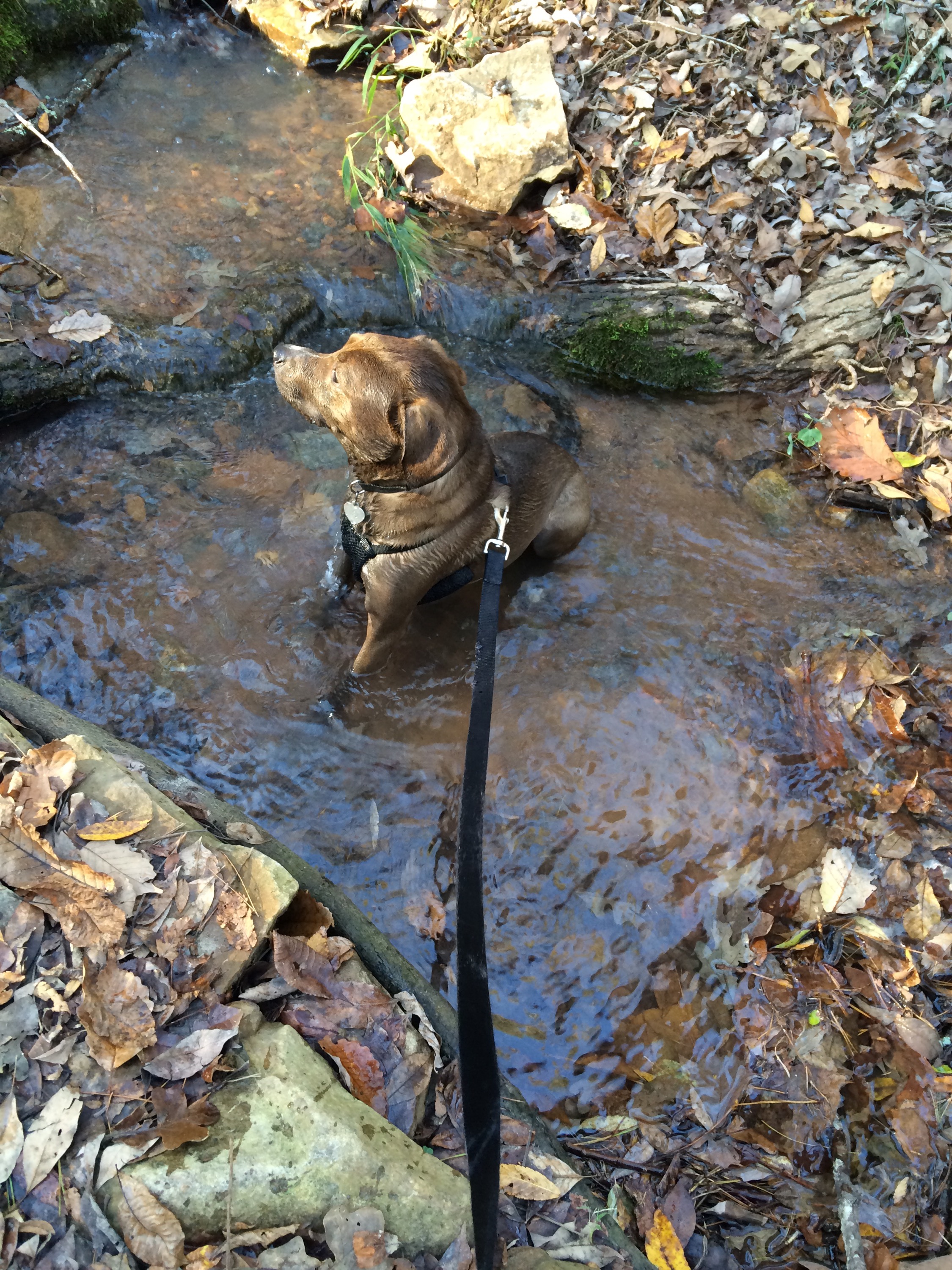
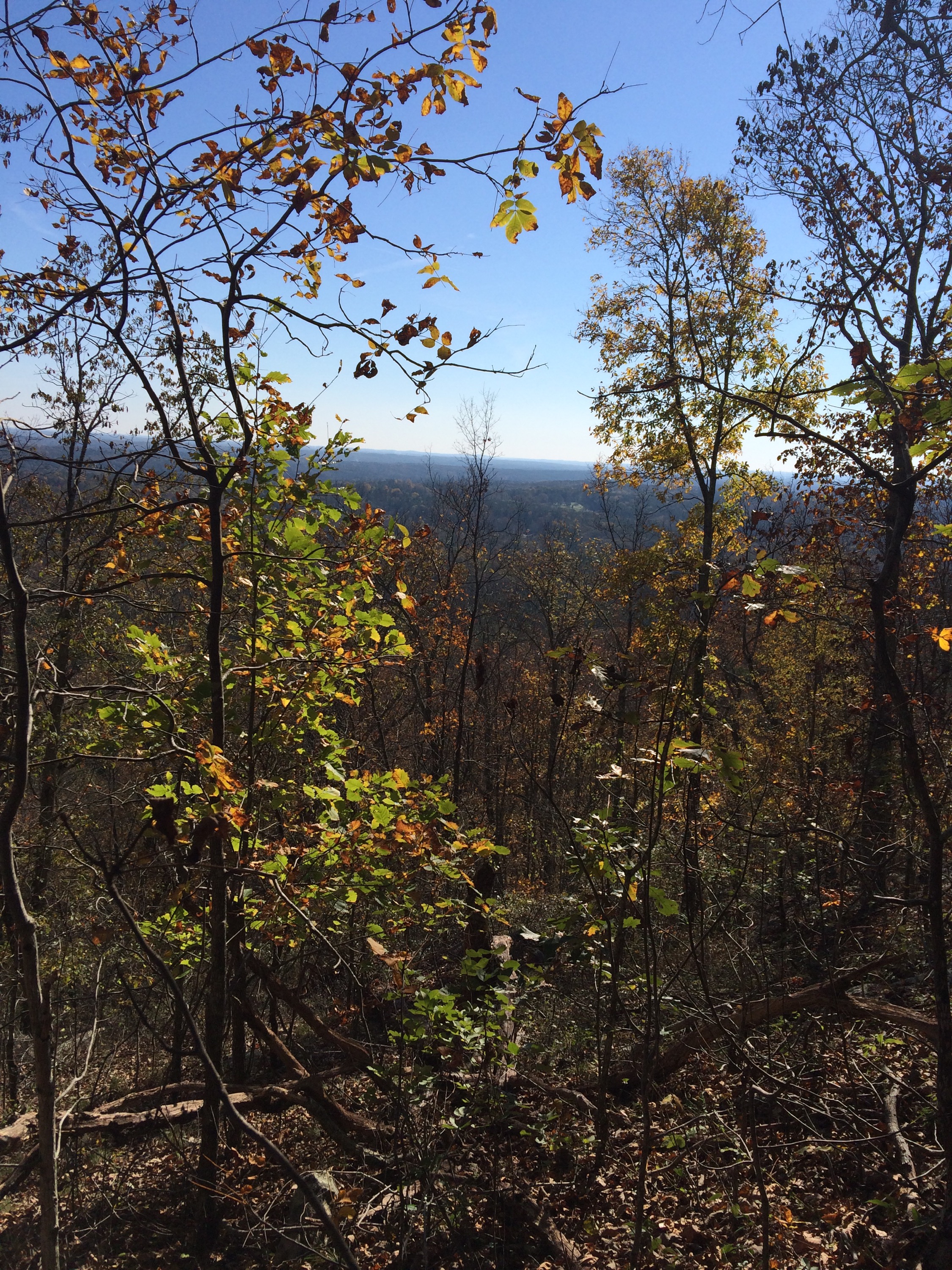
    November 13, 2015
    anxiety, health

  • A Day In the Life

    I just read an article titled “So You Think You’re Happy” that suggests certain activities that might promote a sense of wellbeing or contentedness with one’s life. 

    One of the suggestions is to write a “day in the life” blog post as a series, which strikes me as just the thing. My life is fairly ho hum, so I have plenty of material for slice of life posts. Maybe I’ll learn to appreciate my quiet existence if I write about my days.

    Lately I’ve been staying in bed until around 8:30 or 9:00 am, long enough for mediation and breathing to ease the anxiety. I lie on my side and look out the window for a while, and then I sit up and meditate in bed. I feel grateful for working part-time, which gives me the flexibility to work on my mental health at my leisure. 

    The next step is to let the dogs out into our wooded, fenced backyard. Today S.A. did that job, which was nice for a change. I made coffee, sat in a chair near the sunny living room window, and read news articles for an hour.

    In the afternoon I took Red for a six-mile hike at a local park. It was fun at first, but he kept tugging on the leash and wanting to sniff every single dog we passed. 

    I suppose it wouldn’t have been too draining except I just had minor surgery yesterday for a skin cancer lesion, and I was in some pain still from the incision. Next time I’ll probably leave Red at home and do my usual hike with trekking poles. Today when we were going down some rocks, he pulled on the leash and I landed on my rump. Plus, I scraped my hand.

    S.A. has been making dinner every Wednesday night, which I so appreciate. Tonight it was cod with spinach and lemon sauce served with zucchini and tomatoes baked in the oven with avocado oil. It was doubly delicious because he made it AND cleaned up.

    While he was cooking, I headed to my office and wrote 500 words of the travelogue I’m working on. Usually, I try to write more, but I was wiped out from the hike up the mountain, even after resting for a half an hour. 

    So, those were the highlights of my day, besides the ever-enlightening conversations I had with my sons and the books I’ve been reading. My daily wish is to gain insights and to better understand the people I love.


    November 11, 2015
    dogs, family, hiking

  • Book Round Up

    I’ve been spending more time reading than writing lately, so in an effort to keep up my presence on this blog, I thought I’d share some of the books I’ve either listened to or actually read this past month. Almost all of them are self-help books related to Buddhism. I find it very relaxing to listen to audiobooks before falling asleep at night. I set the timer for an hour and listen until the words fade out of my consciousness.

    Body and Mind Are One, a training in mindfulness, by Thich Naht Hanh. This book consists of a series of dharma talks Thich Naht Hanh has given at Plum Village, the monastery he founded in France. Thay, or teacher, as his students affectionately call him, has a gentle way of teaching mindfulness. He goes into detail about creating a sangha (community) where practitioners can communicate their hurts or delights with each other in a compassionate manner. I’d love to be a part of a sangha in the town where I live, but I don’t want to take the initiative to start one, at least not now when I’m in the middle of writing a travelogue of my pilgrimage. So I put Thay’s teachings into practice with my family and friends.

    Bringing Home the Dharma by Jack Kornfield. Kornfield discusses his life experiences with Buddhist meditation, beginning with his life as a student of Asian studies at Dartmouth College and continuing as a novice monk in Thailand. He later explores the evolution of the dharma as it has manifested in the U.S., and includes a chapter about problems with sexual misconduct and abuse of power that has occurred in “almost all” Buddhist meditation centers in the U.S. I appreciate his honesty and his willingness to face the problems. Kornfield acknowledges the need to hold frank discussions about sex, alcohol abuse, hallucinogens, and anti-depressants and how they relate to practicing mindfulness mediation in the 21st century.

    Rising Strong by Brené Brown. I first became aware of sociologist Brené Brown after listening to her interview with Krista Tippet on On Being, when she spoke about vulnerability and shame. Shame is such a strong force in our culture, and we are so willing to bend to its power. Who hasn’t made mistakes in her life? Who hasn’t wanted to cover her tracks when her cover is blown? In Rising Strong, Brene Brown bases much of her writing on a quote by Theodore Roosevelt that she has taken into her heart:

    It is not the critic who counts; not the man who points out how the strong man stumbles, or where the doer of deeds could have done them better. The credit belongs to the man who is actually in the arena, whose face is marred by dust and sweat and blood; who strives valiantly; who errs, who comes short again and again, because there is no effort without error and shortcoming; but who does actually strive to do the deeds; who knows great enthusiasms, the great devotions; who spends himself in a worthy cause; who at the best knows in the end the triumph of high achievement, and who at the worst, if he fails, at least fails while daring greatly.

    Rising Strong teaches the reader to not make negative assumptions about another person’s reactions to us. Rather than judging others for what we perceive as negative qualities, she encourages the reader to instead assume that others are doing the best they can in a given situation.

    Brown is very open and honest about her own failures, using them to illustrate how, when we find ourselves planted face down in the arena, we can find the courage to rise up. Brown’s book offers the reader a path toward learning from failure rather than retreating in shame or discouragement.

    Behind the Beautiful Forevers by Katherine Boo. I found this book on a forum for women travel writers, where it was suggested as an alternative to Elizabeth Gilbert’s Eat, Pray, Love. The discussion centered around an article titled “How Not to Be Elizabeth Gilbert,” and Boo’s work was offered as an alternative to Gilbert’s writing. Although I found the article about Gilbert to be mean spirited ( women writers don’t need to shame other women writers in order for their own voices to be heard and appreciated), I still appreciate learning about Katherine Boo’s writing from the discussion.

    Boo’s book is  journalistic exploration of the slums located near the airport in Mumbai. I don’t consider books such as Eat, Pray, Love or Cheryl Strayed’s Wild to be travel writing. They are memoirs whose stories are revealed while the women embark on a journey. Even though the  book I’m writing has more in common with Gilbert and Strayed’s concept of a travelogue/memoir, I was thoroughly impressed by Boo’s ability to get inside the minds of the children in the Annawadi slum.

    The Art of Memoir by Mary Karr. I’ve been a fan of Mary Karr’s memoirs ever since reading Liars Club. What makes her writing unique is her ability to recreate the voice of her child self while at the same time punching up her prose to meet the expectations of a literary reader. In the Art of Memoir, Karr advises the reader to develop her own voice, relating that she herself spent at least a year writing her story before she found the way to channel her East Texas vernacular. She also advises the emerging memoirist to immerse the writing in carnality, in other words, to engage the five senses and put the reader in a scene, fairly basic writing tenets.  What I most liked about the book was Karr’s discussion of memoirs she teaches as well as the list of recommended memoirs she includes at the end of the book.

    November 2, 2015

  • What Living Out of a Backpack for 6 Weeks Has Taught Me

    This past weekend S.A. and I drove to Florida to pack up his mother’s belongings and ship them to the assisted living apartment she moved to in Chicago.

    She told us she wanted all of her clothes, but after stuffing a garment bag and five suitcases with all the items we could manage, many racks of evening gowns, dresses, skirts, blouses, wraps, bags, and shoes remained, so we made the decision to give her lifetime collection of finery to charity.

    I hoisted her beautifully arranged outfits into industrial-sized garbage bags and with the help of one of my MIL’s neighbors,  drove them to a local thrift store that services the homeless and veterans. Other bags went to Goodwill, and others to Salvation Army.

    I felt sad to see my MIL’s artfully selected skirts and blouses crammed into bags. Why didn’t she give some of this clothing away over the years? Now that she’s older, she stays  in her muumuu most of the day, and when she goes to the grocery she puts on the same sweater and frayed pants.

    On the Camino, I had to pare down my belongings because of the weight. To keep my pack under 15 pounds, I had only one pair of spare shoes in addition to my boots, four shirts (two too many by the standards of micro-lightweight packers), one pair of thermal Smartwool leggings to wear as pajamas and as pants for the evening, three pairs of underwear, two sports bras, and four pairs of socks.

    I will admit that when I walked around the streets of Pamplona, Burgos, and Leon in the evenings, cities that the Camino passes through, I felt somewhat oafish compared to the neatly dressed Spanish women out on the streets with their beaus or their families. But walking the Camino is a lesson in humility if nothing else. I had to let go of my vanity if I was going to make the distance to Santiago.

    One of my Camino  friends, Carolina,  a lovely blonde  from Brazil, said that when she arrived in Santiago she would treat herself to a dress and some make up as a way to celebrate and restore her sense of beauty.

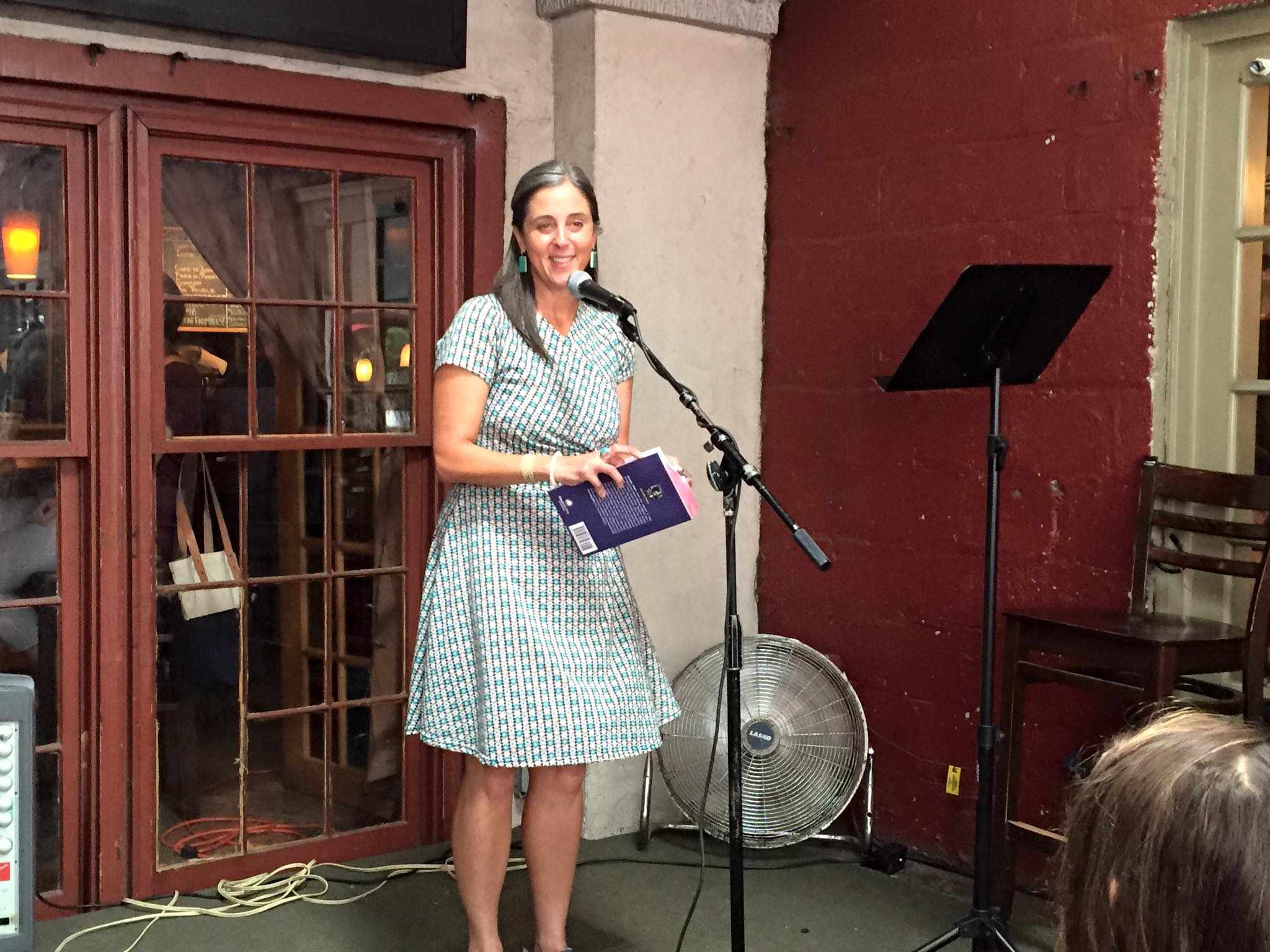
    I ended up finding a nice summer dress on one of the main streets of the historic part of town  in Santiago, and it has become my main dress. I took it to the beach and to the mountains, I’ve worn it to almost every poetry reading I’ve attended this summer in Atlanta, and I might even bring it on my next pilgrimage–it’s lightweight,  dries quickly, and can be worn over my thermal leggings.

    Decatur Book Festival, photo by Lisa N. Allender. I'm wearing my Camino dress bought in Santiago at the end of my pilgrimage.
    Decatur Book Festival, photo by Lisa N. Allender. I’m wearing my Camino dress bought in Santiago at the end of my pilgrimage.

    Before emptying out my MIL’s condo I had already begun the process of paring down my own belongings. I’ve had to face my proclivity to hoard books. I have them piled up next to my bed, stacked on shelves in every room, and even stored in boxes in the garage. I’ve donated many of them to Goodwill and other organizations, and I will bring others to the library.

    But giving away or selling possessions is only a physical manifestation of other more important aspects of my life that I need to give away. Just as I let go of my vanity on the Camino, at least for the most part, now I’m working on letting go of fear and anxiety.

    If I feel a vague twinge of negative energy, my tendency is to tell myself a story that gives me a concrete reason to worry. So these stories are what I’m going to let go. I’m letting go of fear. First I will give fear a gentle squeeze on the shoulder, then I will pat it on the back and wish it a safe journey. Goodbye, old friend, buen viaje.

    With a lighter load, I go on my next walk.

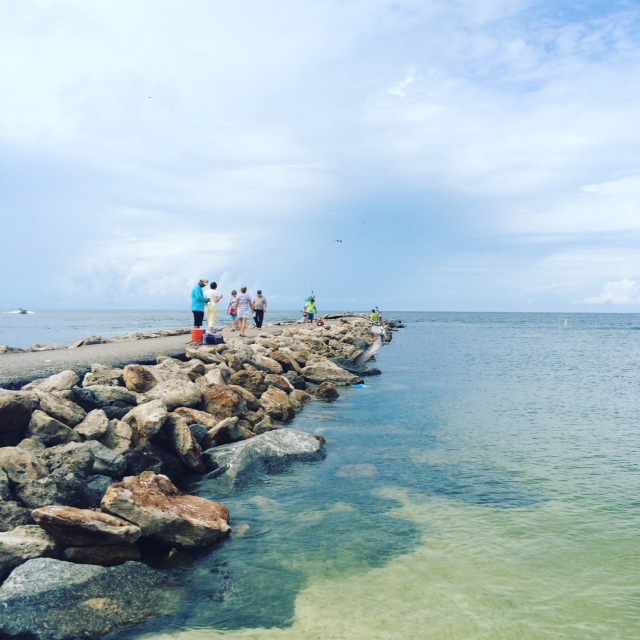
    The North Jetty on Casey Key, Nokomis, FL.
    The North Jetty on Casey Key, Nokomis, FL.
    October 3, 2015
    anxiety, Camino de Santiago, letting go, minimalist living, Walking

  • How Can I Be at Peace when Fear Nibbles at My Heart Like a Mouse?

    In Parker Palmer’s  column at  On Being,  he writes about allowing  his life’s unfolding  to be guided by open-ended questions that look at the big picture.

    Here is an example question he gives at the end of the post, which he arrives at after some give and take with the wording:  “What do I want to let go of, and what do I want to give myself to?”

    Questioning the universe and then listening for its wisdom seems like a gentle and good way to live a life. In yoga there is a similar practice of sankalpa, translated as an intention, a resolve, or a wish.

    When I practice yoga nidra, a 45-minute relaxation meditation, at the beginning of the session I allow a sankalpa to manifest itself in my mind. Sometimes I have a clear image of myself realizing my wish. When I was preparing for my pilgrimage to Santiago de Compostela, I would see myself walking on an open road under a blue, blue sky, experiencing total freedom. And ultimately, at moments, this freedom is what I experienced.

    When my son returned from India, he told me he learned that a yogi makes plans, sets an intention, and then lets the intention recede from his conscious mind. In other words, he doesn’t fret over the outcome. All his actions will lead toward the manifestation of his wishes.

    I like the practice of posing a question and waiting for the stream of life to unfold. By allowing a question to guide us, our very lives become the answer.

    My question is this: How can I feel more at peace in my heart and mind, and how can I share this peace of mind with others so that they too can experience peace?

    In a way, the question is a mission statement for a life, but since it’s open ended, it doesn’t presuppose that we already know how to achieve the outcome or even what that outcome will look or feel like.

    When I came home from Spain on June 30, I was not anxious at all, even after discontinuing all the medications I had been taking. Now, two and a half months later, some of the old anxieties are creeping back, and even though I continue walking, meditating, and reading inspiring books, it’s rare that I don’t feel the pain of some ancient grief bubbling up.

    The difference now, after the Camino (A.C.!) , is that I don’t take any pills to muffle the gnawing, nibbling discomfort. As I learned from the gentle teachings of Thich Nhat Hanh, I say to the anxiety, “Oh, hello old friend. What do you have to tell me today?”

    My old friend anxiety says: Keep walking. Keep writing. Breathe deeply and slowly. Listen deeply. Be patient.

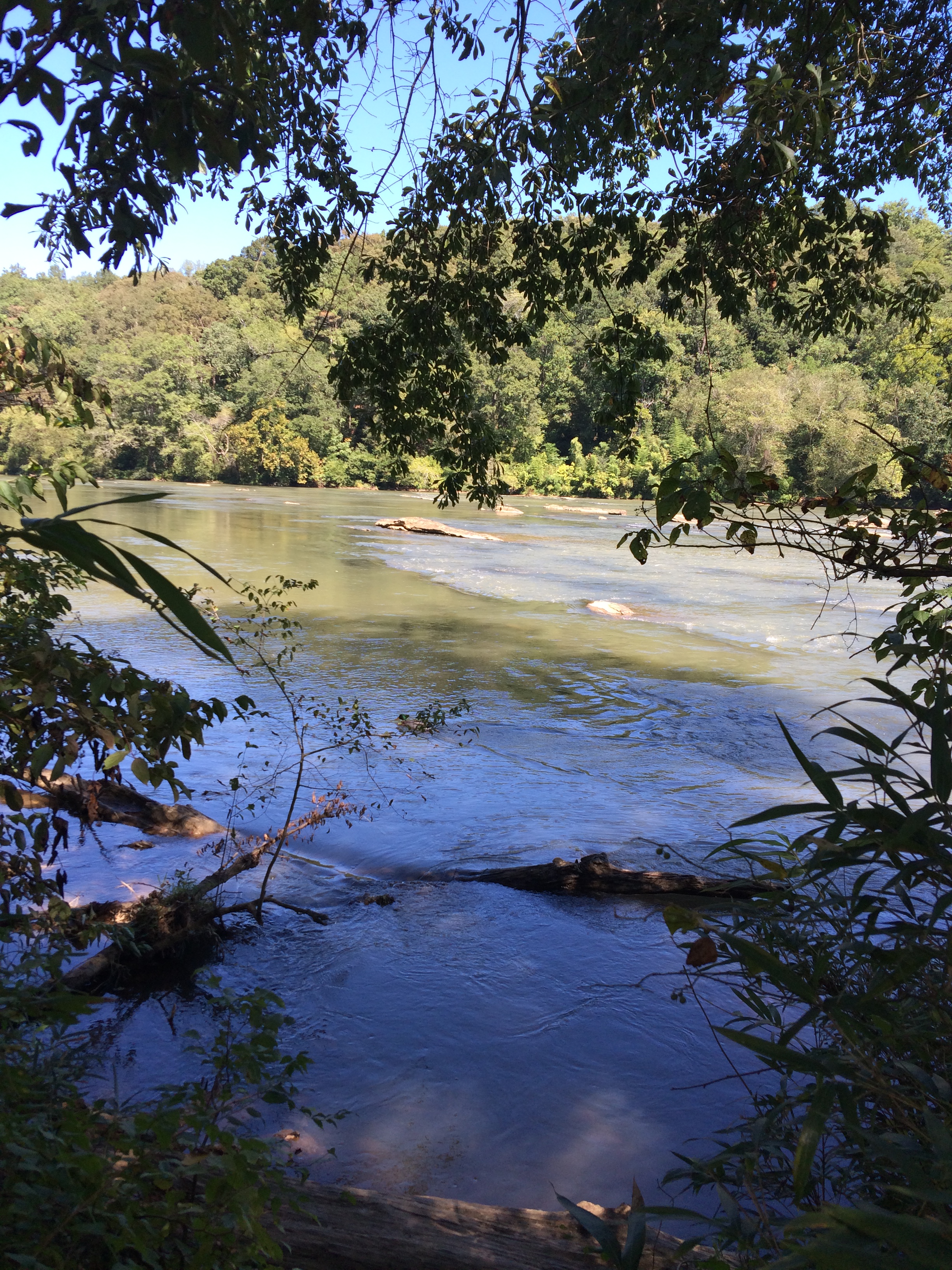
    Chattahoochee River, Late Summer
    Chattahoochee River, Late Summer

    *** If you take medications, please don’t stop taking them because of what you read here. I’m not a professional therapist of any kind, and I only speak of my own experience. I have taken different anti-depressants for decades, and I think they might have helped me at one point or another. They certainly seemed to help. But I have the support of a therapist, my family,  and many years of life to help me face my inner demons, and I believe I am ready to do this one day at a time, breath by breath.

    September 16, 2015
    anxiety, intentions, mediation, peace, sankalpa, Thich Nhat Hanh, Walking, writing

  • My True Home

    My true home is life itself. My true home is the here and the now.

    –Thich Nhat Hanh

    Kennesaw, Spring 2015
    Kennesaw, Spring 2015

    Filed under the label stuff I tell myself is the adage that we shouldn’t postpone our happiness.

    When I came home from the Camino, my heart was cracked wide open from the effort of walking by myself from the Pyrenees in France to Santiago de Compostela in Spain.

    A woman whose heart has cracked open looks like this: she cries over the littlest things, or she experiences sympathetic joy (not the typical jealousy or envy she used to feel); she’s in tender mode; she’s patient with those who still don’t know they are on a pilgrimage.

    Because we are all on a pilgrimage, whether we know it or not.

    Lately, though, I had been postponing my happiness and slowly I felt my heart begin to harden. I had been caring for my mother-in-law for a month and a half, and walking had become an escape from the fact of her constant presence in the house. Rather than walking to reconnect with myself, I was walking to escape.  I was postponing my peace of mind until the day she would go to Chicago.

    I found myself already planning my next pilgrimage to France without having fully processed and integrated my recent journey to Spain. An escape maybe?

    But I have found comfort and redirection in the words of one of our time’s greatest sages,  Thich Nhat Hanh, a world-renowned Vietnamese Zen Buddhist monk who has helped refugees and war victims recover from their trauma through mindfulness meditation.

    In his audiobook titled Living Without Stress  or Fear, Thich Nhat Hanh explains how mindful walking can reconnect us with the present moment, the only moment where life takes place. He suggests while walking to breathe in and think “I have arrived,” and on the exhale to think “I am home.”

    Mindful walking does not have any outward destination in mind, but rather it is inward. When we reconnect with the simple act of breathing and walking,  we rediscover happiness in the present moment. That’s how it works for me, and it works for others, too.

    Today while walking I also let my mind drift to the many refugees that are trying to escape Syria by any means possible, whether on foot or by makeshift boats. I dedicated my walk to them, wishing that they find inner peace as well as a means of escaping the physical threats they are under. We can’t experience inner peace while our very lives are under attack. They have to find a way out of danger.

    And so I felt much gratitude for having the freedom to step out of my house and walk, with my only goal to connect with the ease of my breath, the ease of being. Walking is not an act that we can take for granted. Connecting to the joy of being alive is what I am grateful for today.

    September 9, 2015
    Camino de Santiago, Mindful walking, pilgrimage, Thich Nhat Hanh

  • A Funeral and Texas Coney Island Wieners

    In 1992,  when my son Casey was two, my grandmother died, and so we drove up to Scranton, PA with my parents to attend the funeral. My father’s mother wrote poetry, and because of this I felt a special attachment to her, even though I only saw her once a year growing up.

    Every summer, wherever my family lived, we would pack up the sky-blue Ford Galaxy 500 and drive the highway miles to spend two weeks with both sets of grandparents in Dunmore, PA, a borough of Scranton in the Lackawanna Valley.

    There were four children, so three of us would settle into the backseat while the fourth would wedge between my parents in the front seat. This was before bucket seats, when the interior of a car resembled a couch rather than a recliner. My dad would drive the entire way, and whoever sat between my parents had the luxury of being able to lie across my mother’s lap to sleep away the miles.

    The backseat, however, was a different place. No air conditioning, the windows down, hot wind would blow across the cornfields into our faces for hundreds of miles. When we grew tired of drawing, reading, or weaving potholders on a plastic loom, we would squabble with each other until my father’s freckled arm, always stretched across the front seat, would start waving wildly in our direction in an attempt to swat us into docility.

    The occasion of my grandmother’s funeral found me once again in the backseat of my parents’ car, this time a station wagon with air conditioning. My mother and I sat in the back with Casey strapped into his car seat. He was a champ, considering he had to stay locked in place for two days as we drove from Atlanta to Scranton.

    We took some time during that trip to visit my dad’s favorite diner, Coney Island Lunch for one of his Texas Coney Island wieners, food he probably should have avoided considering his struggle with ulcerative colitis and the many surgeries he had already endured.

    The way home from the funeral felt like the old days of driving under the threat of my father’s arm. He had broken down in tears at the service, but for reasons only my father could explain,  his grief morphed into anger toward my mother and the rest of the world. He raced back to Atlanta with us in tow,  a black cloud of  negativity seeping from his pores. He drove at breakneck speed until my mother and I pleaded with him to pull over to let someone else drive. That was the last road trip I made with my dad.

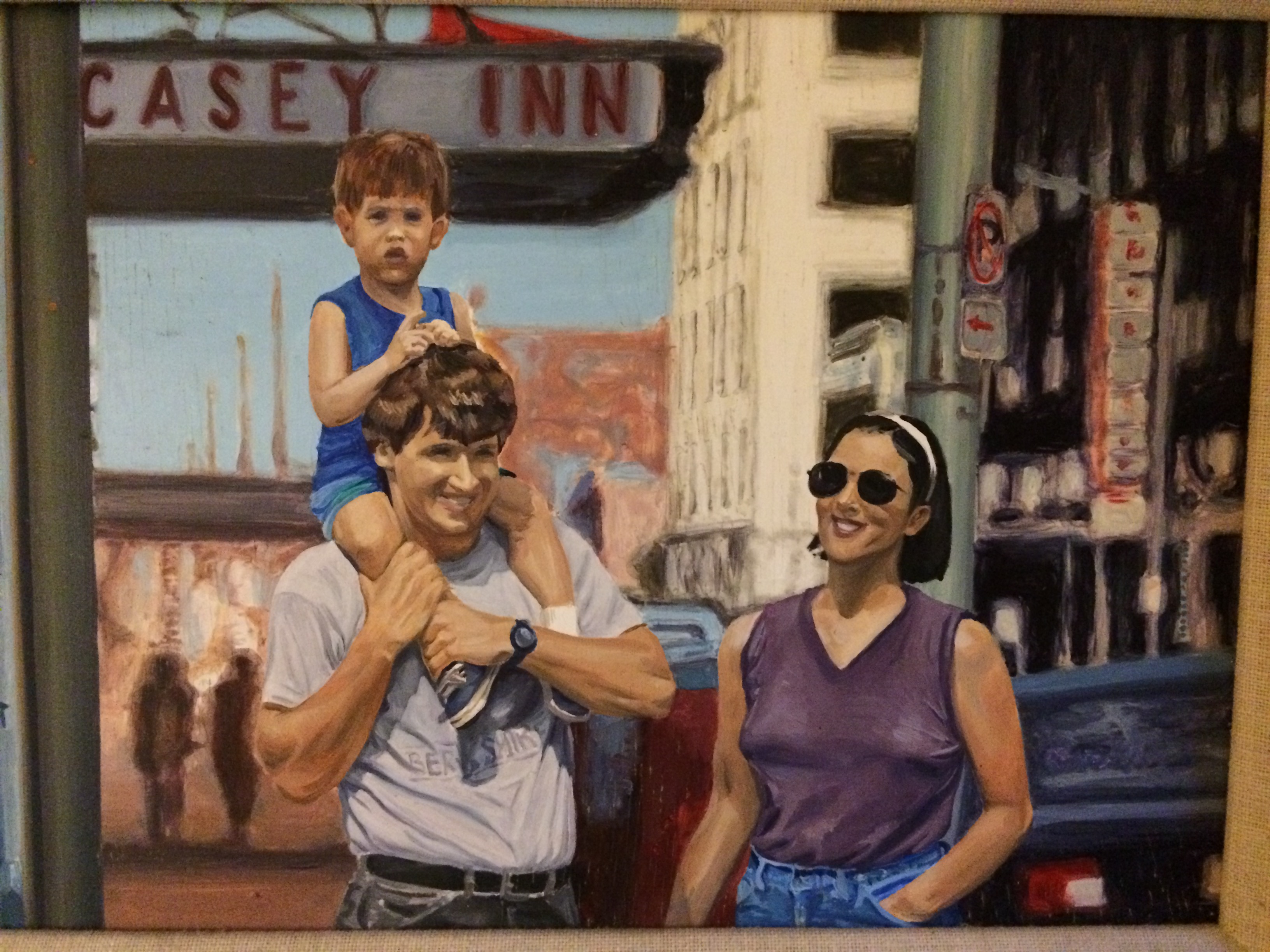
    Painting by my sister, Patrice Needham.
    Painting by my sister, Patrice Needham.

    My sister  took a few pictures of us while we wandered around Scranton, whose early twentieth century architecture charmed us after the glass towers of Atlanta we were accustomed to seeing. She painted the picture from a photograph, and then gave it as a gift to my mother and father-in-law. Katherine’s maiden name was Casey, which is why we named our son Casey. Another connection is that Sean is wearing his Berkshires t-shirt (which I still use as a night shirt), the place where my in-laws lived every summer.

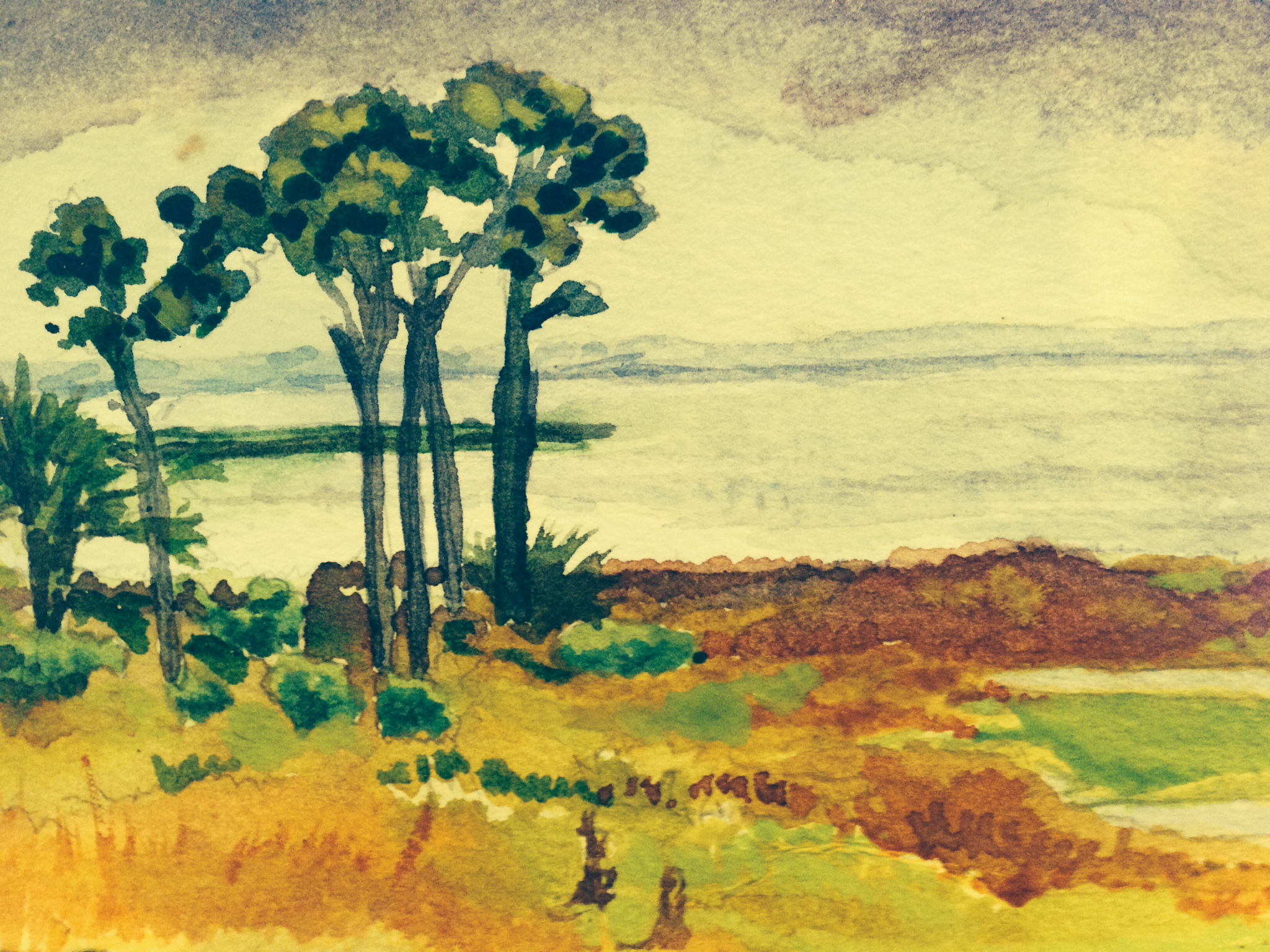
    I rescued the painting from Katherine’s house since she’s planning on selling the place in the Berkshires. Now that she’s getting on in years, she can’t travel there by herself, much less live there alone for a summer.  I like my sister’s photorealist style of painting. Her more recent work is plein air water colors, which I also find very beautiful. This one was painted at a beach trip we just took, on a postcard size water color block.

    Plein air water color of Port Saint Joe Bay by Patrice Needham.
    Plein air water color of Port Saint Joe Bay by Patrice Needham.
    September 1, 2015
    Road trips, Scranton, Texas Coney Island Wieners

  • Today’s Walk

    I’m sitting at the top of Monument Mountain, the place where Herman Melville met Nathanial Hawthorne for the first time.

    It’s a hot day for the Berkshires. I’m sweating in the muggy air, but a slight breeze refreshes my skin. This humidity is nothing like the pizza oven heat of Georgia.

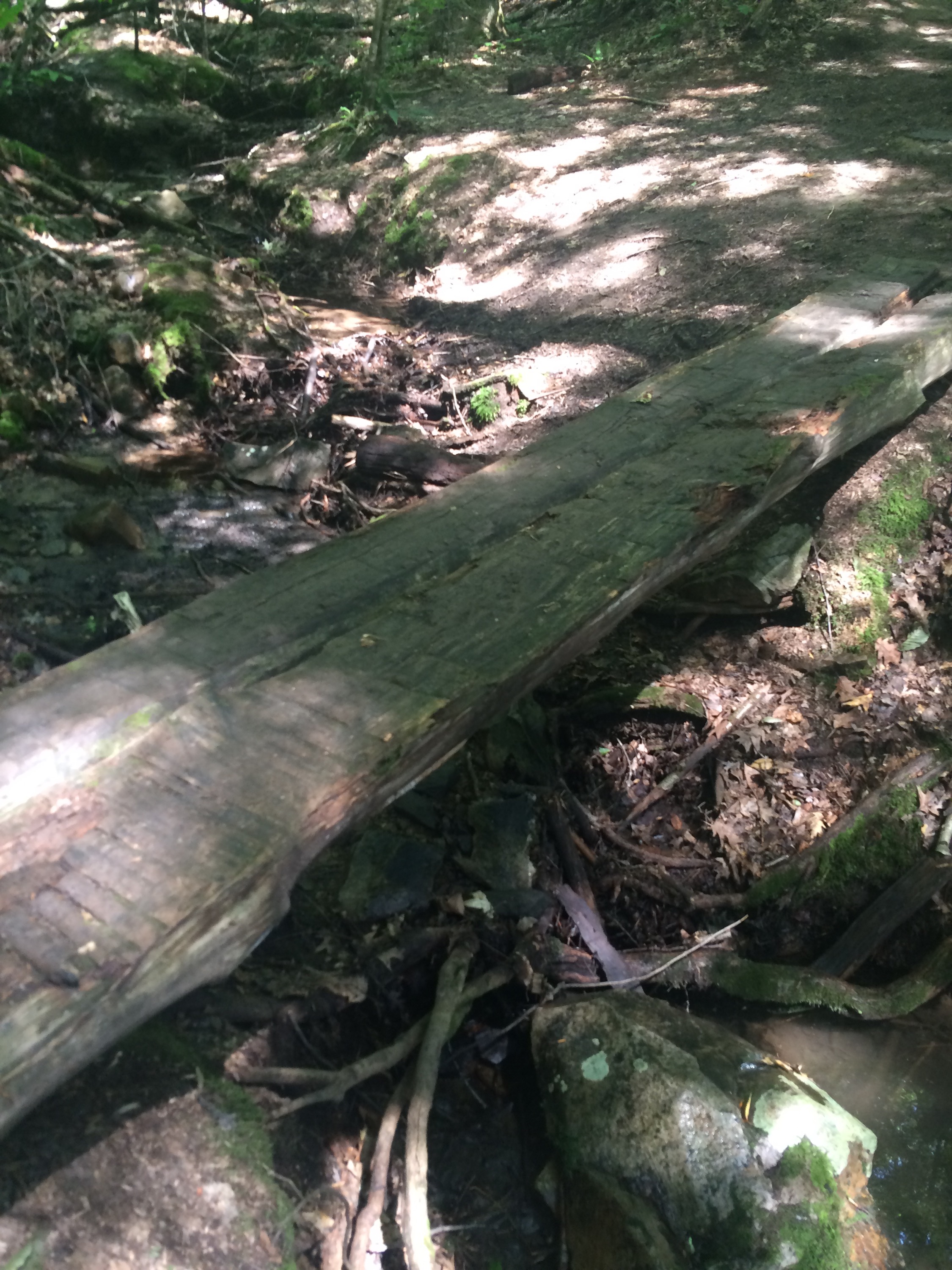
    While going up the mountain I took a picture of a log bridge–I’m a little afraid of crossing narrow bridges, even when there’s nothing but a creek below. So I took a picture to illustrate the obstacles I’m forever confronting.

      
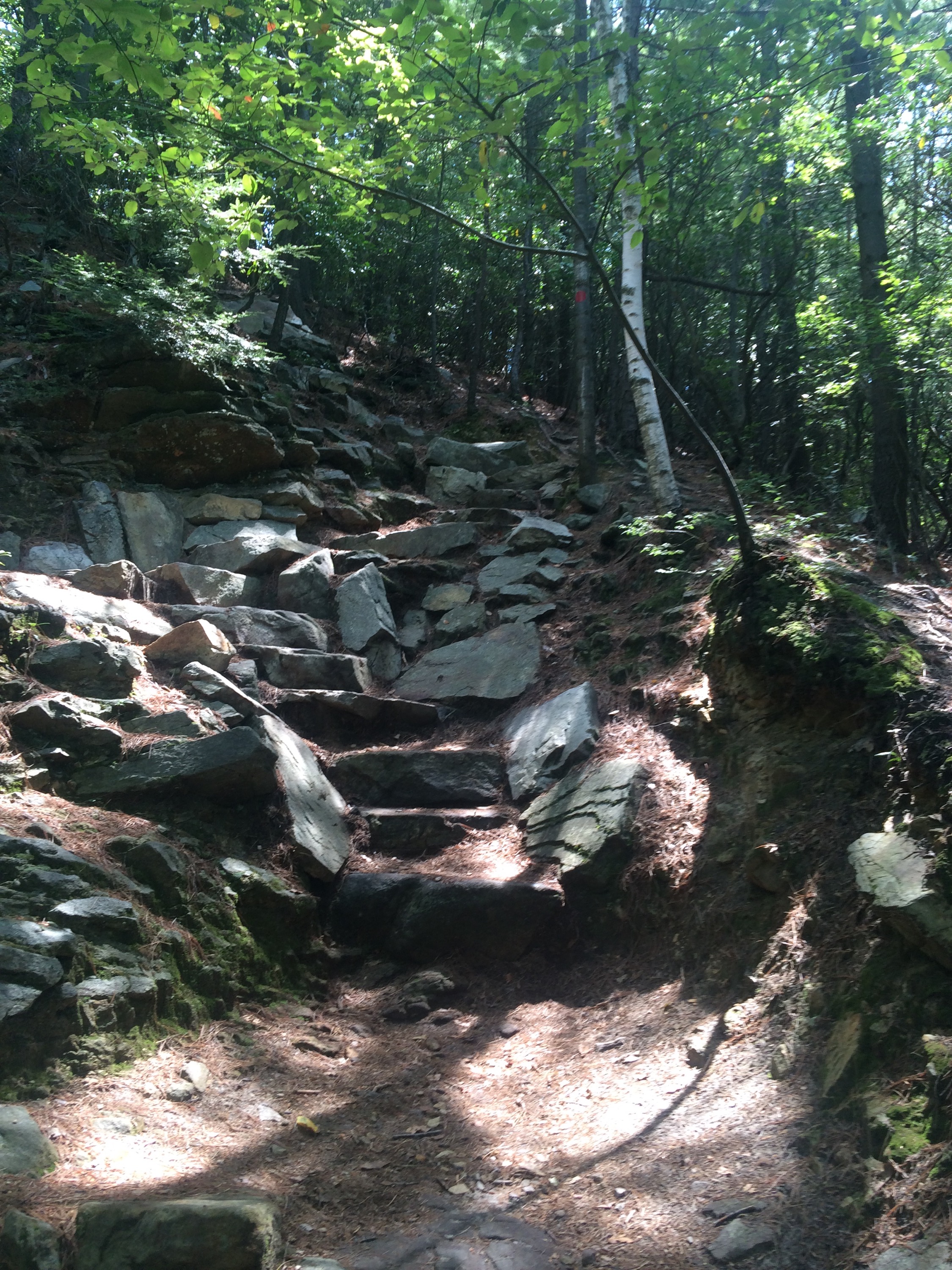
    When I went to look for my phone to take another picture, this time of the rocky ascent to the summit, I realized I had left my phone at the log bridge.

    So back down the mountain I went. A couple had seen my phone in the ground where it must have slipped out of my backpack (or what is more probable is that I missed the pocket completely, dropping the phone silently on the pine straw and moss covered path).

    While climbing back up to where I am now, I thought I would maybe start leaving my smart phone behind when I go on these long walks. I usually put my phone in airplane mode, and I don’t check email, but I do use it to take pictures.  

    So here I am on the summit, thinking about Herman Melville and typing into a WordPress app. I read that the day he came here with a gathering of local literary types, it rained, and he spent a good while describing to Nathaniel Hawthorne the intricacies of manning a whaling ship.

    The trail here is well maintained. The granite and schist stones form a staircase that allows the hiker to reach the top fairly easily, but I doubt the rocks were arranged so artfully when Melville walked here. 

    The air was the same, the flora and fauna the same, and some of the views. From where I am now, I can see Monument Mountain high school, where someone has written the name Maia in large white letters on the lawn in front of the school. Even from this height I can see the heart over the letter i in place of a dot. Someone loves Maia. 

    To enter the nineteenth century imagination, I think I would have to abandon iPhone technology for a while. I don’t even know how Melville would have traveled from his Arrowhead farm in Pittsfield  to Monument Mountain in Great Barrington. Horse and wagon maybe? I know he liked to camp and was an avid outdoorsman. 

    He became depressed after Moby Dick didn’t sell, and he turned to alcohol. This is a lesson in not tying one’s ego to one’s art. I don’t blame Melville–he had to support his family, and he had wanted to do so by writing. Art and business don’t mix. Robert Graves said something to the effect : “There’s no money in poetry, and no poetry in money.”


    August 15, 2015
    Herman Melville, hiking, monument mountain, the Berkshires, Walking

  • Camino Life Lessons

    S.A. and I are still in the Berkshires, but our sons, who drove up for the week with the dogs, have now left for home.

    We’re staying a week longer with Katherine to help her with her house and her decision to sell it. Since she’s in her eighties and does not use the Internet, she needs our assistance. The world has evolved from looking for real estate agents in the phone book, alas. 

    After our sons left, I felt so alone. I went for a walk up Cone Hill Rd, but after an hour in the sun and fresh air, some of the sadness drifted off and sailed into the approaching clouds. 

    On the Camino people were constantly entering and leaving my life. Even though it wasn’t the same as missing my dear sons, I still felt the joy of seeing old friends and the pang of sadness at our leave taking.

    Each day on the pilgrimage had a different tenor, and after a while I learned to accept whatever the day brought. 

    After reaching Sarria, where many routes converge and the number of pilgrims increases, I listened to the wisdom of a longtime pilgrim who said, “After Sarria, the Camino changes. It becomes a giant picnic where people are out for a good time. You have to adjust.”

    Instead of feeling irritated at the maurading teens on the path with their iPhones piping in pop music, I opened myself up to a new experience without judging myself or others. I didn’t love the blaring music and the screaming laughter after my weeks of meditative solitude, but I enjoyed the kids’ enthusiasm for life and their excitement of being with school friends on the Camino. I accepted the new day. 

    So now my sons are gone and it’s just S.A., my mother-in-law, and I in her little house near the creek with no Internet or TV. It’s a new phase of my time here without my sons’ lively conversation and zest for life. I’m adjusting to the quiet by walking, writing, and swimming across the Stockbridge Bowl. If it rains tomorrow, I’ll go to a yoga class. 

    And it goes without saying that I need to cultivate gratitude for being in such a beautiful place during summer vacation time.    

    August 10, 2015
    Berkshires, Camino de Santiago

  • Traveler, There Is No Path

    Today’s walk took me from Iron Ore Road in West Stockbridge to Lake Mahkenaac in Stockbridge, also known as the Stockbridge Bowl.

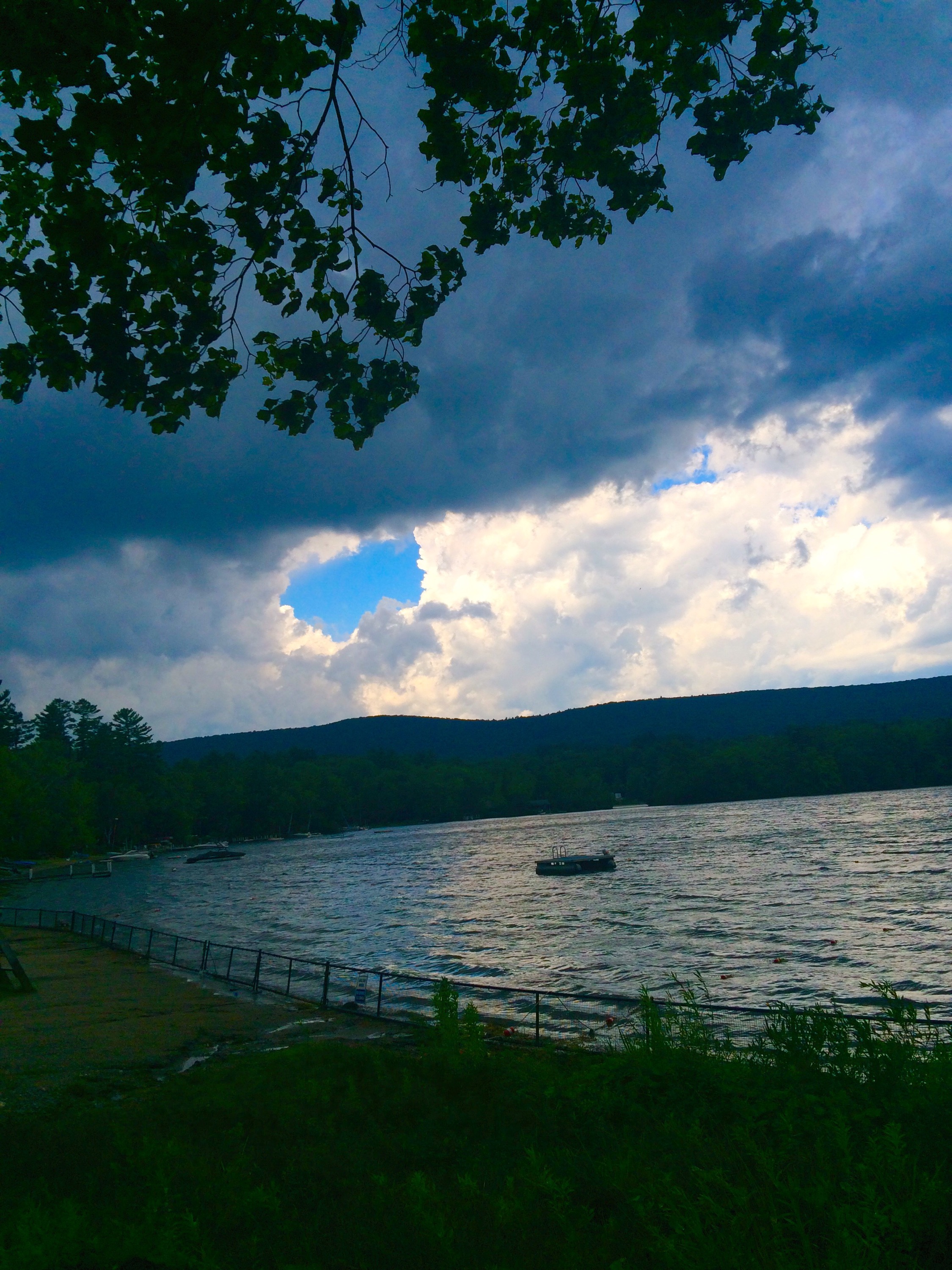
    The plan was to swim across the lake once I got here, but lightning and rain rolled over the mountains, so now I’m huddled under a tree, waiting for SA to come get me in the car.

    I had to walk along a highway to get here, not too busy with traffic, but the speed limit was 50 and there was no sidewalk. I tried to walk in the grass and face oncoming traffic whenever I could.

    It was not a meditative walk due to the cars, but I did think about Antonio Machado’s poem, sometimes translated as “The Wayfairer,” other times as ” The Traveler.”

    When I walk alone and set my own course, I sometimes feel lonely. My obstacles are at times tangible, like the cars on the road, but often the blockades are  mental. It’s a matter of summoning the motivation and finding the courage to make my own path, again and again.  


    August 4, 2015
    Antonio Machado, the Berkshires, Walking

Previous Page Next Page

Blog at WordPress.com.


Loading Comments...
 

    • Subscribe Subscribed
      • Balanced On the Edge
      • Join 241 other subscribers
      • Already have a WordPress.com account? Log in now.
      • Balanced On the Edge
      • Subscribe Subscribed
      • Sign up
      • Log in
      • Report this content
      • View site in Reader
      • Manage subscriptions
      • Collapse this bar